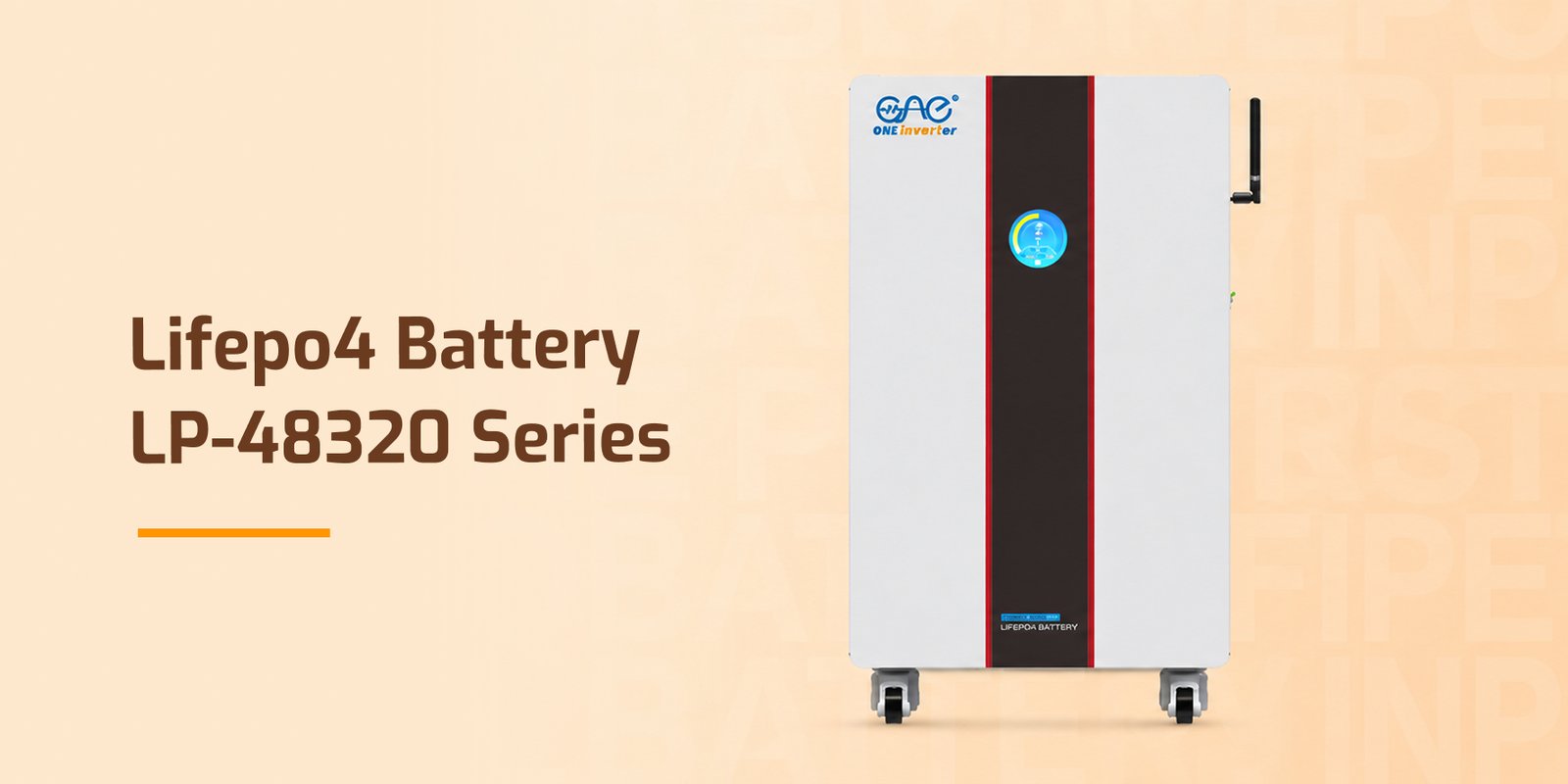

As the demand for reliable and efficient energy storage continues to grow, LiFePO4 batteries have become a popular choice for solar power systems, backup power, commercial energy storage, and off-grid applications. Among the high-capacity options available, the LiFePO4 Battery LP-48320 Series stands out as a solution designed for users who need substantial energy capacity, long service life, and dependable performance.
What Is the LiFePO4 LP-48320 Series?
The LP-48320 Series is a lithium iron phosphate (LiFePO4) battery designed for energy-storage applications. With a nominal voltage of around 51.2V and a capacity of 320Ah, a typical LP-48320 configuration provides approximately 16.4 kWh of nominal energy storage.
LiFePO4 chemistry is widely valued for its combination of safety, durability, and stable performance. Compared with traditional lead-acid batteries, LFP batteries can offer a longer operating life, higher usable energy, and reduced maintenance requirements.
Key Features of the LP-48320 Battery
1. High Energy Capacity
The 320Ah capacity provides a substantial amount of stored energy, making the LP-48320 suitable for applications where extended backup or energy independence is required.
A 51.2V × 320Ah configuration provides approximately:
51.2 × 320 = 16,384 Wh
or approximately 16.4 kWh of nominal energy.
2. LiFePO4 Battery Chemistry
Lithium iron phosphate is known for its excellent thermal and chemical stability. This makes LiFePO4 technology particularly attractive for stationary energy-storage applications.
The chemistry also provides good resistance to degradation when properly charged, discharged, and maintained.
3. Long Cycle Life
One of the major advantages of LiFePO4 technology is its long cycle life. Depending on operating conditions, depth of discharge, temperature, and charging practices, an LFP battery can provide thousands of charge-discharge cycles.
For users investing in an energy-storage system, a longer cycle life can help reduce the long-term cost of ownership.
4. Integrated Battery Management System
A Battery Management System (BMS) is an important component of a modern lithium battery. It monitors battery conditions and helps protect the cells against situations such as:
- Overcharging
- Excessive discharge
- Overcurrent
- Short circuits
- Abnormal temperature conditions
- Cell voltage imbalance
The BMS helps the battery operate within its intended limits and contributes to overall system reliability.
5. Smart Communication Options
Depending on the specific LP-48320 configuration, communication interfaces such as RS485, Wi-Fi, or Bluetooth may be available.
Communication capabilities can allow the battery to exchange information with compatible inverters or monitoring systems, helping users track battery status and system performance.